
Rights of way
Private rights of way produce income. We acquire them.
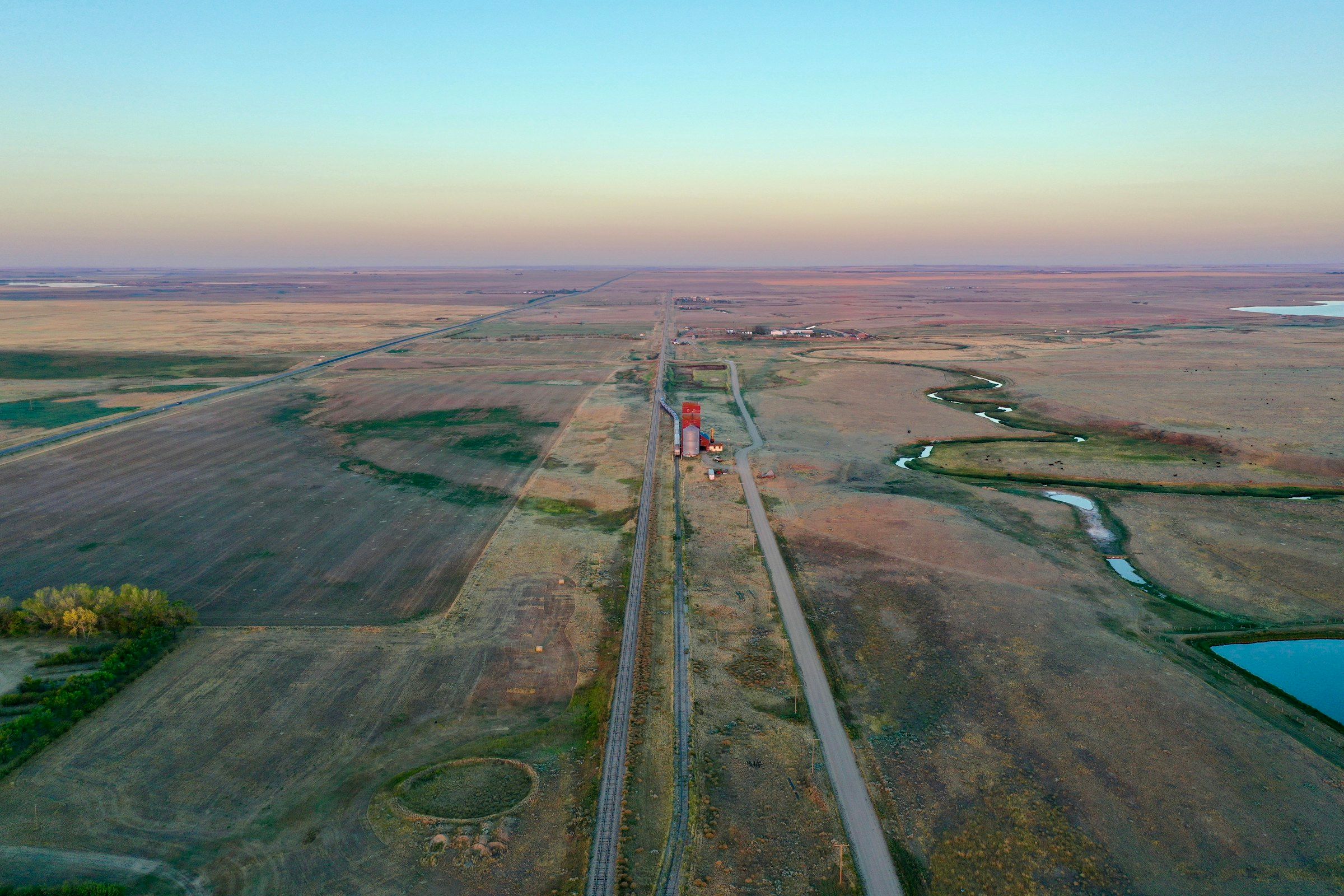
The transaction
Here is what changes, and what does not.
- What you sell
- You sell a private right of way, or the lease or easement that grants one, together with the payments it produces. This includes private railroad corridors, pipeline and utility corridors held under private agreement, and access easements that carry rent.
- What you keep
- In most transactions you continue to own the land on either side of the corridor, and nothing changes along it. The user of the right of way continues under the same agreement it has today.
- How you are paid
- You are paid in immediately available funds at closing. Where it suits your estate or tax planning, the proceeds can instead be structured as a series of payments.
Points that matter
Rights of way are mostly a matter of reading the record.
Old documents
Rights of way are often decades old and were drafted for a different time. Reading the original grant carefully is most of the work, and we do it before we make an offer.
Railroad corridors
A private railroad right of way can be an easement, a fee strip, or something in between. The difference matters to what can be sold and how, and we will tell you which yours is.
The land on either side
If you intend to develop or sell the adjoining land, tell us early, because the corridor should be described precisely so it does not cloud the rest of the title.
Do you acquire public utility easements?
We acquire private rights of way and privately held easements that produce payments. Easements granted to a public utility for no rent are a different matter, and we would not usually acquire those.
Our right of way was granted in the 1950s and we are not sure what we hold. Can you help?
Yes. Send us whatever documents you have and the location. We will work out from the record what the interest is before anything else.
Does the railroad or the pipeline company have to agree?
It depends on the instrument. Many allow the owner to sell the underlying interest freely, and some require notice. We will read yours and tell you.
What if the corridor is ever abandoned?
The purchase is a sale rather than a loan, so we have no claim against you if the rent later falls or the tenant leaves. If the user of the right of way were ever to abandon it, you would keep the full purchase price and would owe us nothing.