
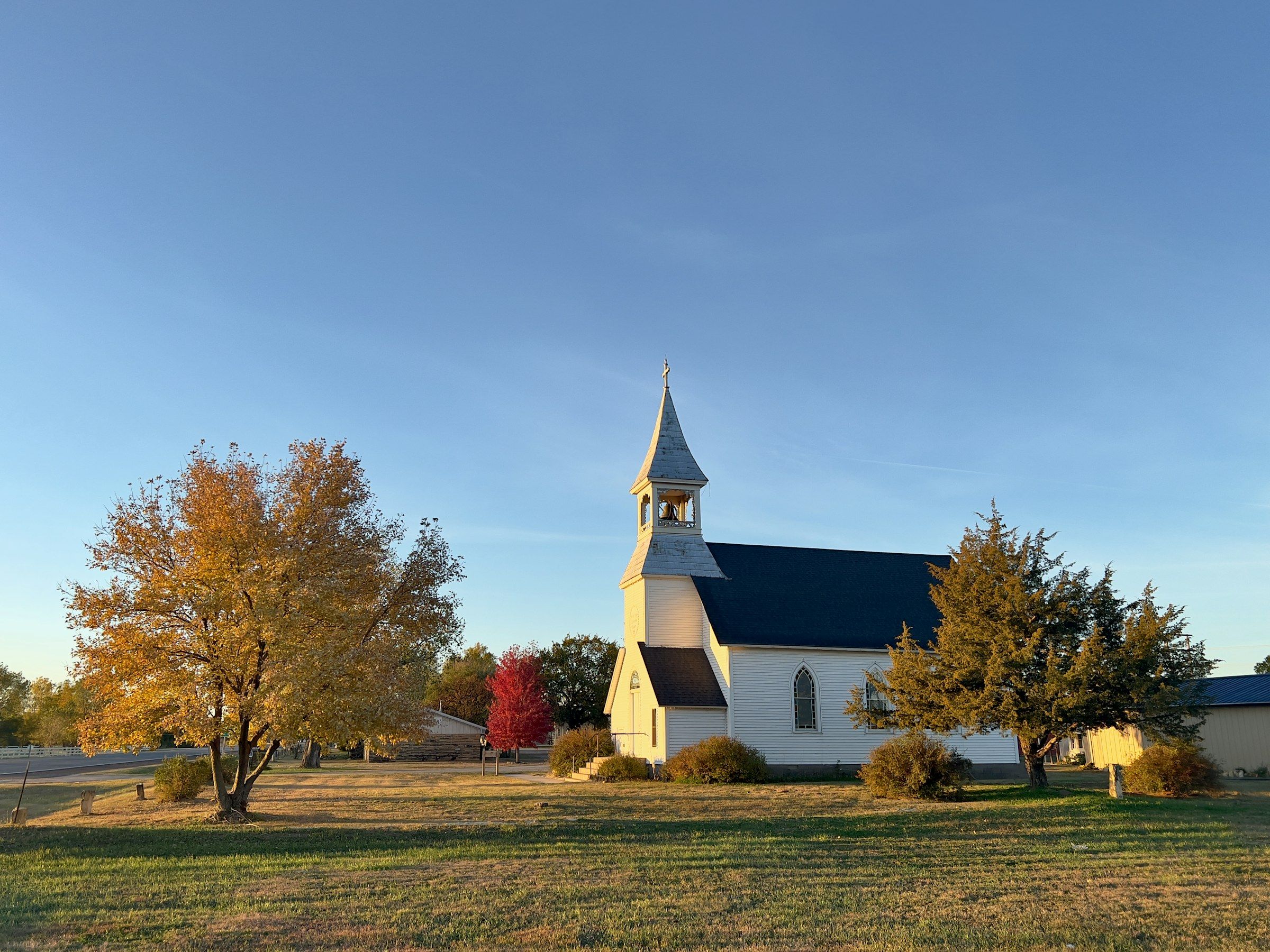
What your church sells and keeps
In most transactions your church sells the lease and the income it produces, and grants an easement over the space the equipment occupies. That may be the steeple, a section of roof, or a corner of the grounds. The sanctuary, the parking, and the rest of the property are outside the transaction, and the church continues to own its building and land.
The approvals a sale usually needs
Most congregations need the consent of a governing body before selling an interest in church property. That may be a presbytery, a diocese, district trustees, a board of elders, or a congregational vote. Some denominations also hold church property in trust or carry out their own review. We build time for each of these into the schedule, and we work with the people who handle them.
What to bring to the board
- The written offer, with the price and the terms that will carry through to closing.
- The current lease, so the board can see the rent, the remaining term, and the tenant’s rights.
- How the church is paid. The purchase price is paid in immediately available funds at closing. Where it suits your budget or tax position, the proceeds can instead be structured as a series of payments.
- What happens if the antennas are removed. The purchase is a sale rather than a loan, so we have no claim against you if the rent later falls or the tenant leaves. The church keeps the full purchase price.
- The approvals required under your bylaws and your denomination’s rules, and how long each usually takes.
We will prepare the offer in whatever form your board needs, and we will work with the board in whatever way suits it best.
Where to begin
A short description of the site and a copy of the lease are enough to start. Our page for churches covers how we work with congregations, and the questionnaire takes about two minutes.